
How Do You Avoid Writing Burnout?
A meditation on creative work, rest, and burnout.

“When you get burned out from writing comedy, what type of breaks/rest helps you get back in the groove?” — L.C.
Good question. I’ve met some burnt out people and burnt out creatives. Maybe you have too. It can happen to almost anyone.
I’ll use this question about burnout as a launchpad for a bigger set of questions
What even is burnout?
How do we avoid it?
What does a healthy, burnout-free writing life look like?
So, today’s post will be a meditation on that constellation of questions.
Then, at the very end, I’ll tell you my preferred forms of rest.
First, burnout itself.
What is creative burnout?
If you’ve experienced burnout, it feels like exhaustion, mental and physical fatigue, and an intense desire to just stop for a while, maybe a long while, and take a vacation. Probably you want to go somewhere with a lazy beach, or a serene cabin in the forest.
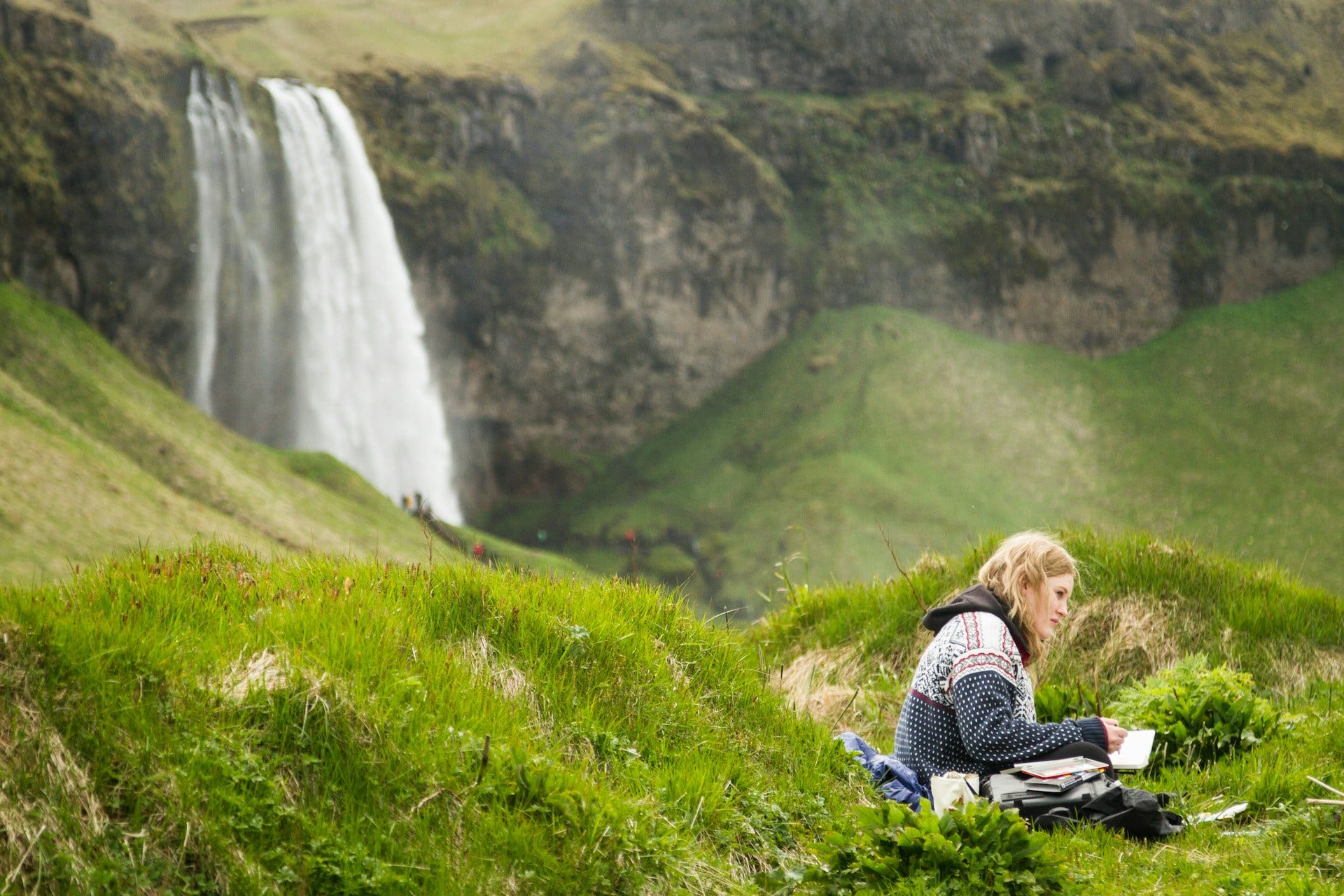
The emotional state of burnout is, “I’m just tired and don’t want to do this any more. I want to go rest for many weeks and stare at a waterfall, while someone serves me tasty drinks.”
(If you don’t have the “serve me drinks” feeling, sorry, bucko! You’re not burnt out.)
Burnout probably comes from overwork, chronic stress, and sustaining a heavy pace without rest. You work intensely, for too long, and you’ll get burnout.
When we do work we love, I don’t think burnout is impossible—the mind and body have limits—but I think it’s far, far less likely.
Doing work you love creates a kind of energy and fuel that’s hard to exhaust.
Burnout is obviously unhealthy and shitty, and we should avoid it. But I don’t think it’s at all natural or inevitable.
My feeling for comedy writers and creatives is that if you have an intense workload and perhaps tight deadlines, burnout could happen if you’re not careful.
But otherwise, if you just write comedy for yourself, burnout should be completely avoidable.
My hypothesis: If you do work you love, work at a natural pace, and rest when you need it, you won’t ever burn out.
Let’s interrogate that idea.
Burnout vs. boredom
We shouldn’t conflate burnout with other emotional and physical states.
Burnout is not boredom.
If you simply feel kind of tired of some type of work, a bit uninspired by it, that’s not burnout, friend. You could just be uninspired. You could be bored.
You might need a new writing topic, or a new approach. You might need to switch things up.
Or, you might need to read a good book, or reconnect with some comedy that inspires you.
Burnout is mind-body overload and chronic stress taken to a breaking point.
People say, “I’m kind of burnt out on ___” and they’re being imprecise in their language and a bit overly dramatic.
“I’m kind of burnt out on Wes Anderson films.”
Like, yeah, buddy you’re not “burnt out on Wes Anderson films.” You’re bored of them. Big difference. Go watch some Jason Statham films or whatever.
So, I’d be sure not to confuse burnout with just feeling like you want something different.
Burnout and breaks
Next point about burnout. Human beings are not machines. We’re not meant to work like assembly line factories, churning out work on an unyielding, intense schedule, day-after-day without rest.
Most importantly, we’re not meant to work intensely for indefinite periods.
We’re built to work hard then rest.
This is clear if you study culture, history, and evolutionary biology.
